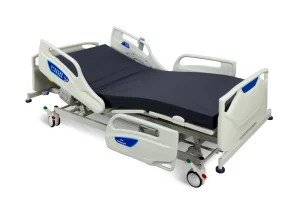
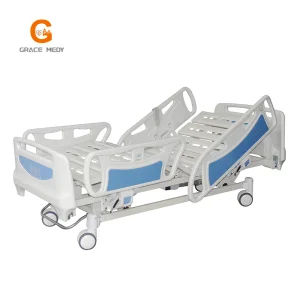
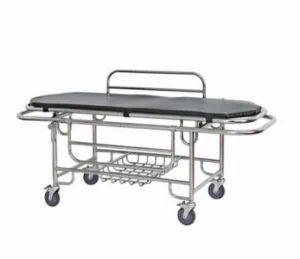
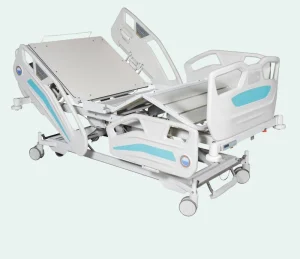
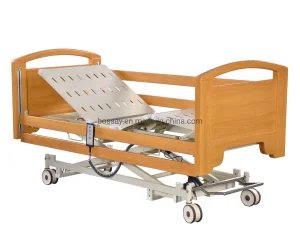
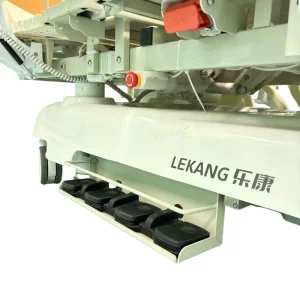
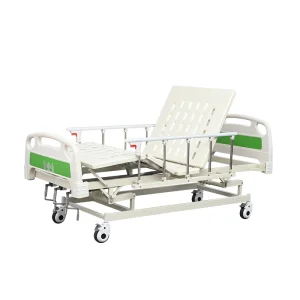
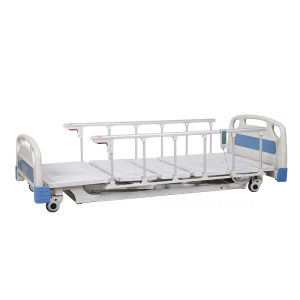
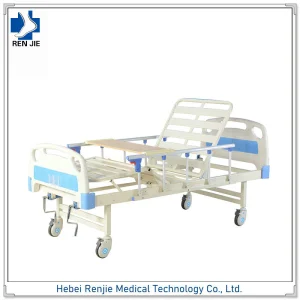
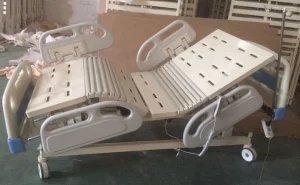
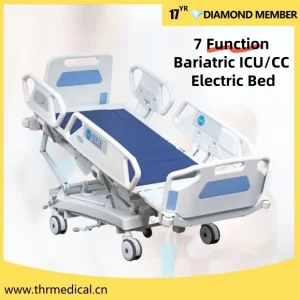
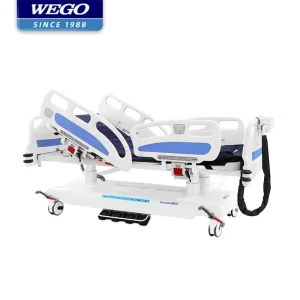
Explore our specialized range of certified ICU beds, patient transfer systems, and ward furniture engineered for critical care and respiratory recovery setups.
Clinical Focus: Oxygen therapy efficacy is deeply tied to patient ergonomics. Standard position modifications, such as the semi-Fowler position (30° to 45° elevation) and controlled prone positioning, are vital to maximizing alveolar ventilation and patient safety during high-flow nasal cannula (HFNC) and mechanical oxygen delivery.
The global demand for respiratory therapeutic environments and oxygen support frameworks has experienced unprecedented growth. Modern medical facilities recognize that oxygen therapy is not just about gas delivery units; it relies on an integrated eco-system of medical furniture, precise patient positioning, and high-performance equipment. Devices like high-flow nasal cannulas (HFNC), oxygen concentrators, and non-invasive ventilation systems operate at peak clinical efficacy when patients are positioned correctly. Proper mechanical adjustment prevents diaphragm compression, optimizes functional residual capacity (FRC), and improves blood oxygen saturation levels.
Consequently, international healthcare systems, emergency facilities, and rehabilitation hubs are transitioning toward smart electric platforms. These systems enable safe positioning changes without manual handling, preventing care provider injury and enhancing patient safety. Global procurement directors are searching for dynamic manufacturers capable of delivering both specialized ICU support products and clinical equipment that meet international standards (FDA, CE, and ISO).
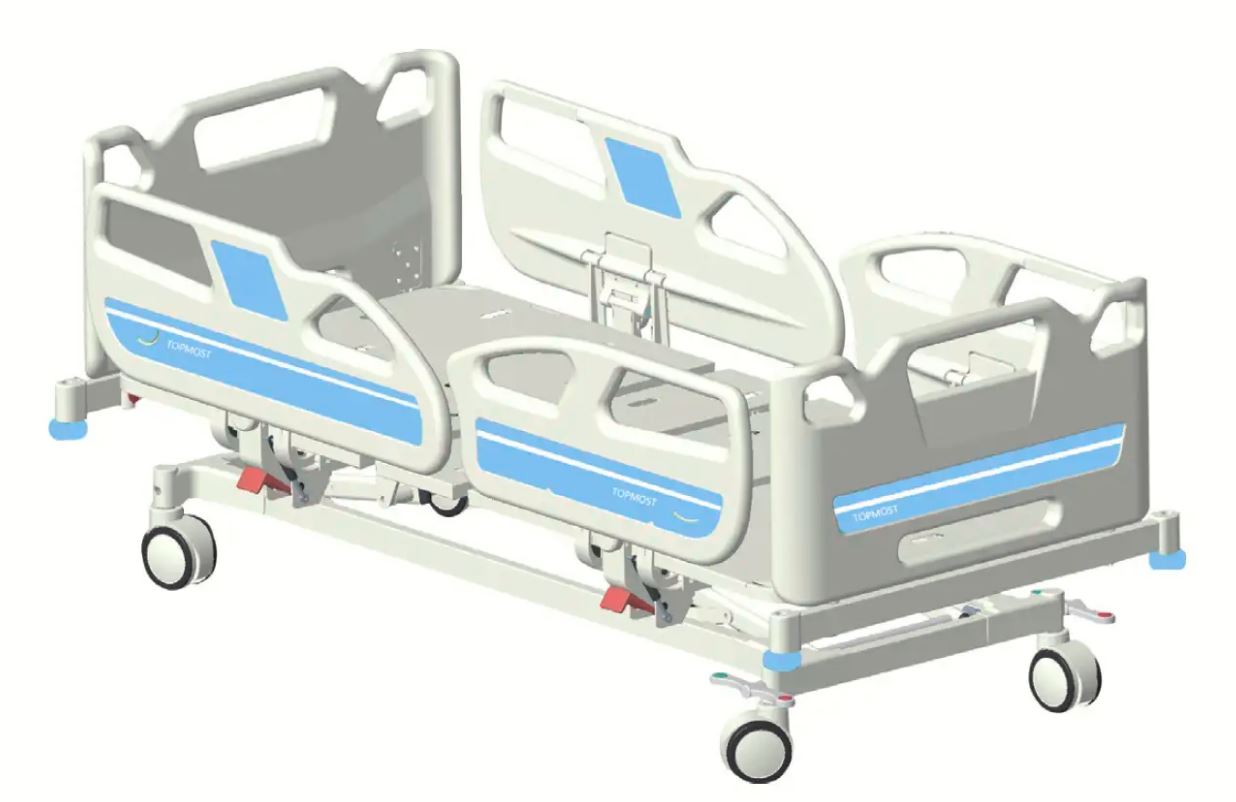
In acute respiratory care, clinical outcomes depend on positioning. Placing patients in a semi-Fowler's position reduces pressure from abdominal organs on the diaphragm, allowing for greater thoracic expansion and improved gas exchange. When delivering high concentrations of oxygen, positioning must be adjusted carefully to prevent atelectasis and match ventilation-perfusion ratios.
For patients with severe lung damage, prone positioning has become a standard method to improve recruitment of posterior lung segments. Modern ICU beds must facilitate these shifts quickly and smoothly. Features like electric elevation, adjustable backrests, Trendelenburg positions, and integrated CPR release systems are essential tools that support oxygen delivery and improve critical care outcomes.
Established in 2016 in Shandong Province, China, Shandong Reef Medical Co., Ltd. is a leading professional manufacturer specializing in the research, development, design, production, and sale of medical equipment and healthcare facilities. Our product portfolio includes a comprehensive range of hospital beds, electric beds, manual beds, stretchers, medical furniture, and other essential healthcare products for hospitals, nursing homes, and rehabilitation centers.
Our manufacturing plants operate a complete production cycle, from raw material procurement to final assembly and testing. Shandong Reef Medical holds global certifications, including FDA, ISO 13485, CE, and ISO 9001. These certifications confirm our adherence to international standards in design, manufacturing, and quality control.
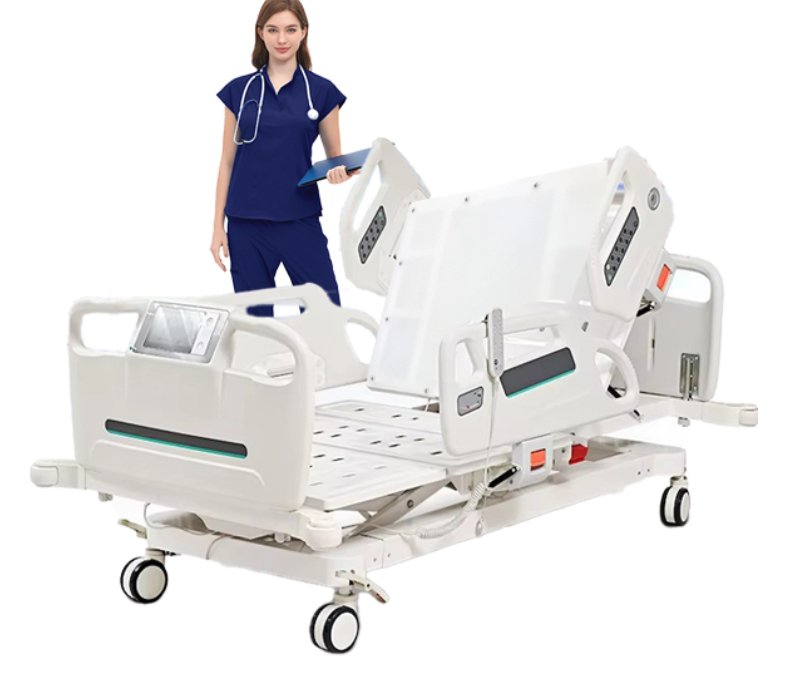
We provide high-quality medical furniture to ensure safety and comfort for both patients and caregivers. We offer complete solutions, including customized designs, OEM/ODM manufacturing, and comprehensive after-sales support. Our team works closely with partners worldwide to help healthcare facilities run efficiently and safely.
China's medical manufacturing sector is a key driver of the global healthcare supply chain, supported by advanced industrial networks, specialized parts suppliers, and highly efficient logistics. In Shandong Province, companies like Shandong Reef Medical combine advanced production technology with skilled manufacturing engineering. This allows us to offer high-quality equipment at competitive prices.
Our factories use automated welding systems, laser metal cutters, and automated powder coating processes to ensure consistent quality and long-term durability. This combination of structural strength and reliable design makes our products highly dependable for healthcare facilities globally.
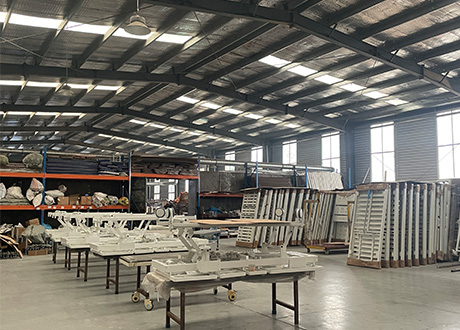
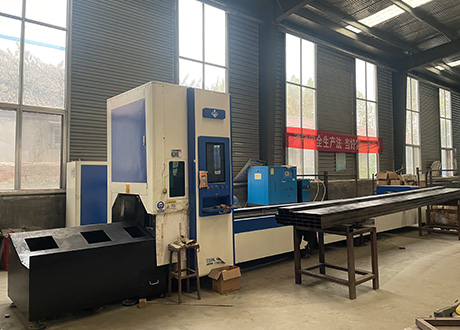
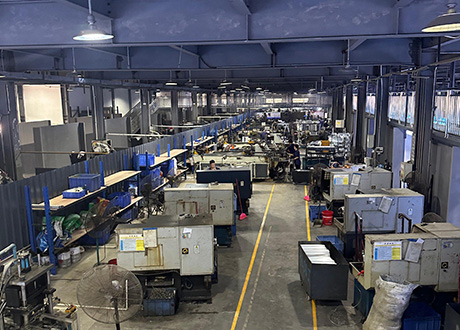
Reef Medical's products are built to suit a variety of healthcare settings:
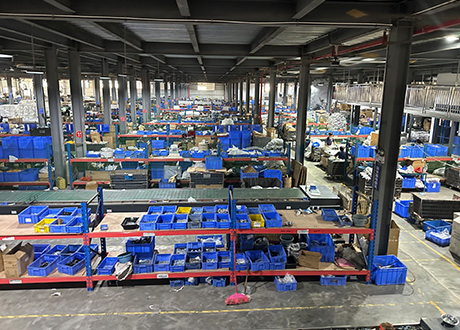
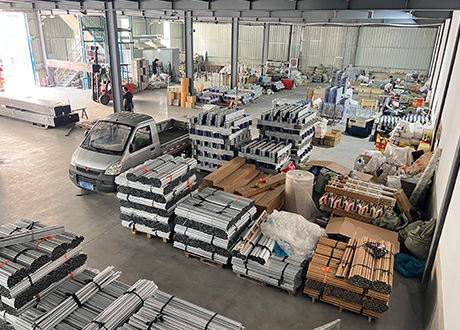
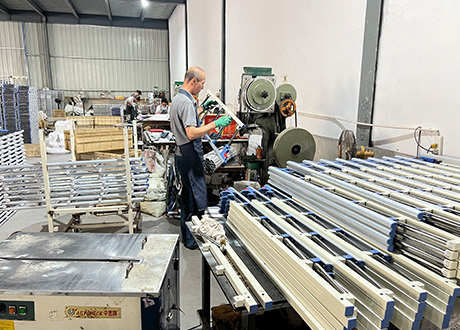
The hospital equipment industry is moving toward integrated, smart hospital ecosystems. The combination of patient positioning data and respiratory equipment monitoring helps medical staff track recovery progress in real time. We continue to invest in research and development to incorporate weight monitoring, patient exit alarms, and position sensing into our ICU products. These features improve care safety, support oxygen therapy management, and reduce the workload for nursing staff.
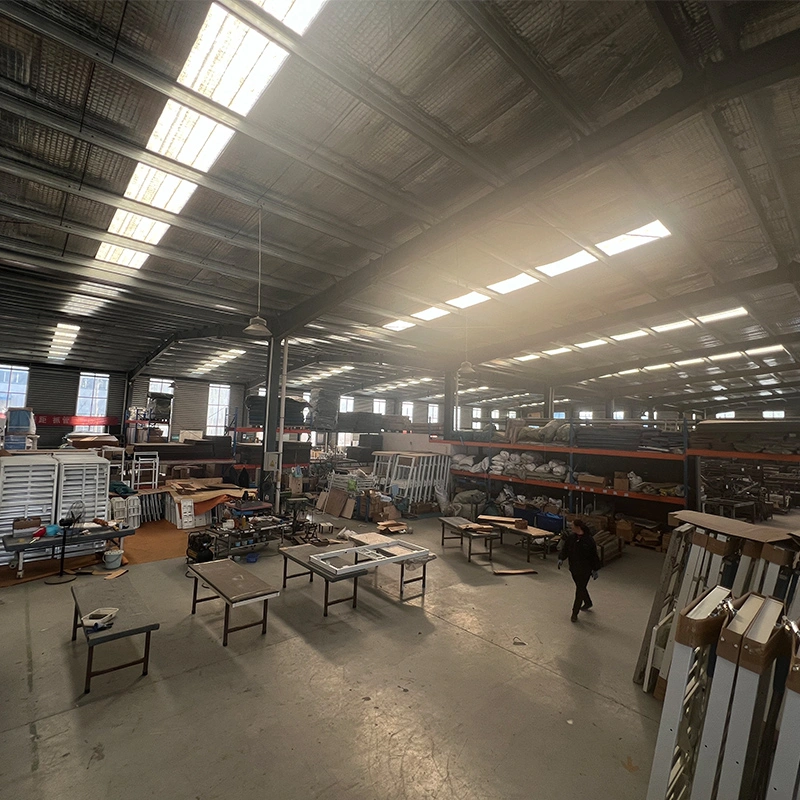
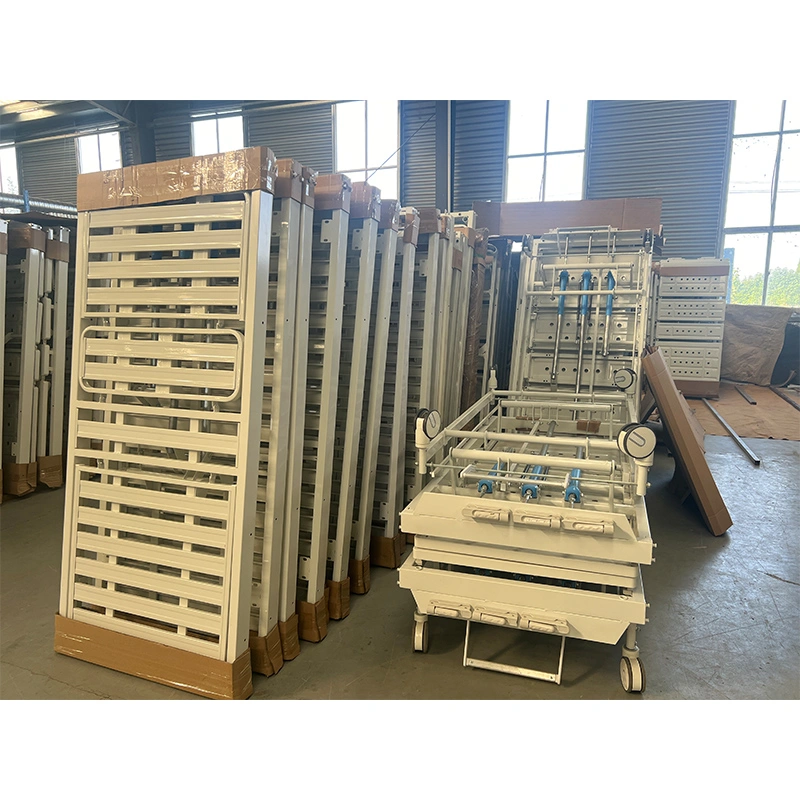
For international procurement agents, sourcing medical equipment requires careful evaluation. When purchasing ICU beds or respiratory support systems from China, consider this checklist:
Established Year
Global Certifications
Factory Inspection
Customization Support
Expert insights on regulatory compliance, product selection, and supply chain logistics for medical professionals.
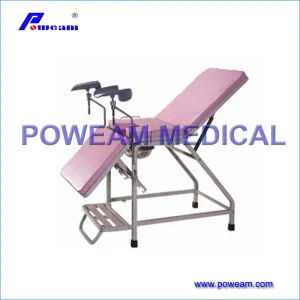
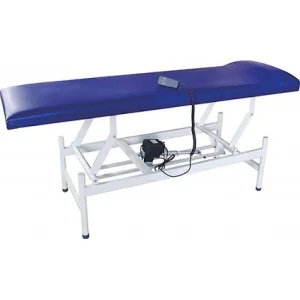
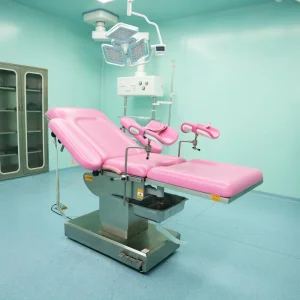
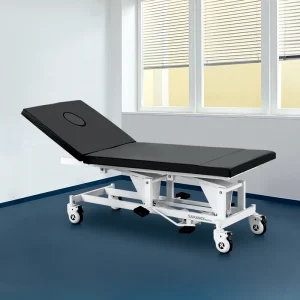
Review our catalog of high-capacity manual beds, outpatient examination couches, and obstetric systems designed for reliable clinical use.
 Reef Medical